

 See My Latest Article on HelloNation
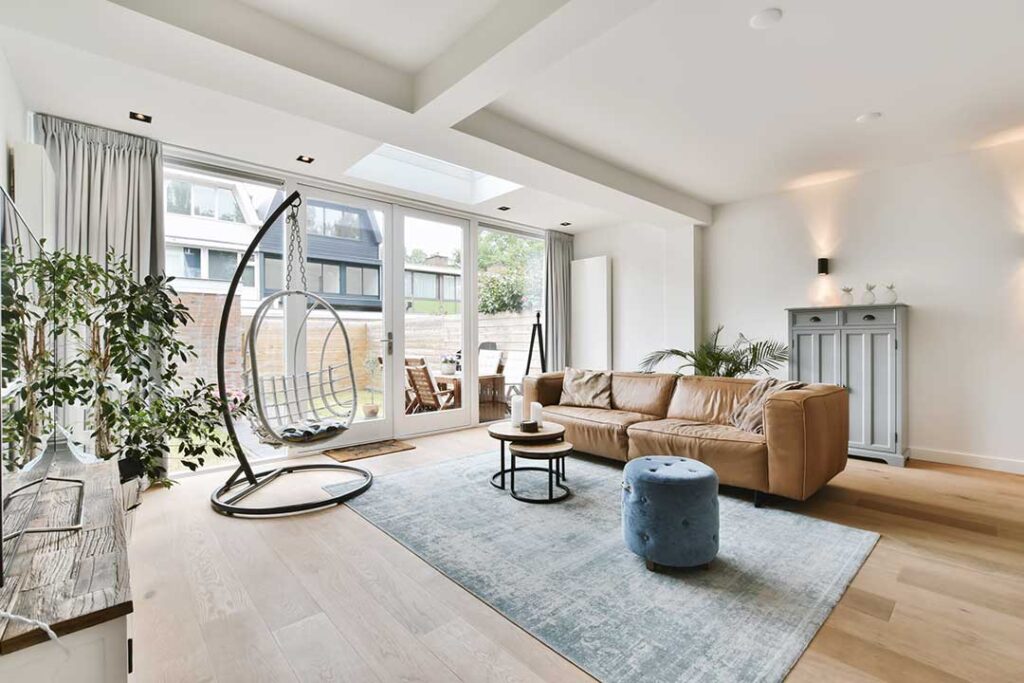
An open house checklist should cover more than cleaning and placing a sign near the road. A useful checklist helps prepare the home, protect belongings, present outdoor areas clearly, and make the property easier for visitors to understand.
For homes in Kiawah Island, seasonal weather, coastal exposure, wildlife, private roads, and outdoor living areas can make certain preparation steps especially relevant.
What should be completed before the open house?
Before visitors arrive, the home should be clean, bright, uncluttered, comfortable, and easy to move through. Start with the condition of the property rather than decorative details.
A practical pre-opening checklist includes:
- Complete routine cleaning, including floors, windows, bathrooms, kitchens, porches, and entry areas.
- Remove excess furniture, personal collections, pet supplies, and items from countertops.
- Replace burned-out bulbs and use consistent, comfortable lighting throughout the home.
- Open curtains and blinds where privacy and sun exposure allow.
- Set the thermostat to a comfortable temperature.
- Check that doors, gates, cabinets, and windows open and close properly.
- Remove trash, recycling, laundry, and visible household supplies.
- Secure medications, financial documents, firearms, jewelry, spare keys, and other sensitive items.
- Arrange for pets to be safely out of the home during the event.
Decluttering does not mean removing every personal item. The purpose is to make rooms easier to understand and help visitors see how furniture fits within the space.
How should each room be prepared?
Each room should have a clear purpose and a simple visual focus. Visitors often move quickly, so crowded or confusing rooms can make the home feel smaller than it is.
In the entry area, provide a clear path from the door and make sure exterior lighting works. In living rooms, arrange furniture to show circulation rather than pushing every piece against the walls. Bedrooms should have enough open floor area to show storage and approximate furniture placement.
Kitchens deserve close attention because visitors typically look at:
- Counter space and cabinet condition
- Appliance cleanliness
- Sink fixtures and water staining
- Pantry or utility storage
- Lighting over work areas
- The relationship between the kitchen and nearby living spaces
Bathrooms should be dry, odor-free, and free of personal products. Fresh towels can make the room look orderly, but excessive decoration may distract from the actual condition of the fixtures, tile, ventilation, and storage.
If a room has an unusual feature—such as a screened porch, built-in storage area, elevated foundation, or flexible-use space—make sure it is accessible and clearly presented.
What outdoor areas belong on the checklist?
Outdoor spaces are part of the home, especially in a coastal community where porches, decks, patios, screened areas, and garden views may influence how a property is used.
Walk the exterior before the event and inspect:
- Entry steps, railings, walkways, and uneven surfaces
- Deck boards, porch screens, and outdoor stairs
- Pool, spa, or water-feature barriers where applicable
- Exterior lights and visible light fixtures
- Drainage areas, standing water, and clogged gutters
- Outdoor furniture, grills, toys, tools, and hoses
- Landscaping near doors, windows, and walkways
- Signs of insects, moisture, mildew, or storm-related damage
In Kiawah Island, salt air, humidity, heavy rain, wind, and intense sunlight can affect exterior materials more quickly than inland conditions. A checklist should therefore include a visual review of screened enclosures, fasteners, painted surfaces, wood components, and drainage paths.
Do not hide outdoor maintenance problems with temporary coverings or excessive mulch. Visitors may notice these issues, and concealed conditions can create confusion later.
What information should be available for visitors?
An open house is easier to navigate when basic property information is organized and accurate. A simple information sheet or clearly displayed summary may include:
- The number of bedrooms and bathrooms
- Approximate interior size
- Lot or parcel information, if relevant
- Age of major systems when known
- Recent improvements
- Utility arrangements
- Parking and storage details
- Monthly or recurring property-related fees, when applicable
- Known restrictions affecting use of the home

Information should distinguish between verified facts, estimates, and features that require further review. For example, describing a room as a bedroom may involve requirements related to access, ventilation, windows, or other standards. A finished space should not automatically be labeled a bedroom without confirming that the description is accurate.
For homes affected by community rules, shared facilities, private roads, rental limitations, architectural guidelines, or exterior-maintenance requirements, visitors may reasonably have questions. The checklist should identify where official documents can be reviewed rather than relying on informal explanations.
How can safety and privacy be handled?
Safety and privacy should be planned before the event, not improvised after visitors arrive. Remove trip hazards, secure restricted areas, and make sure visitors can move through the home without entering spaces that are not part of the showing.
Check that:
- Rugs lie flat and cords are out of walking paths.
- Stairways have adequate lighting and clear handrails.
- Construction materials, chemicals, ladders, and tools are secured.
- Doors to garages, storage rooms, crawl spaces, and mechanical areas are either safely accessible or clearly restricted.
- Personal mail, calendars, photographs, and documents are not visible.
- Security devices and smart-home controls do not reveal private information.
- Valuable or fragile objects are stored safely.
Coastal homes may also include elevated mechanical equipment, outdoor electrical components, generators, irrigation controls, or areas affected by flooding and storm preparation. These should be left in safe condition and identified accurately without creating hazards for visitors.
What should be checked immediately before opening?
A final walkthrough should take place shortly before the open house begins. This last inspection often catches small problems that affect the first impression.
Walk through the property as a visitor would:
- Approach from the street or parking area.
- Enter through the intended entrance.
- Follow the natural path through the main living spaces.
- Visit bedrooms, bathrooms, storage areas, and outdoor spaces.
- Check lighting, temperature, odors, noise, and visibility.
Turn on lights in darker areas, close toilet lids, empty small trash containers, and make sure cabinet doors are aligned. If weather is hot or humid, verify that indoor spaces remain comfortable. If rain is expected, check for wet entry surfaces, dripping gutters, or water collecting near walkways.
Avoid strong fragrances that may mask odors or create discomfort. A clean, neutral environment is generally easier for visitors to evaluate.
What should happen after the open house?
The checklist should continue after visitors leave. Secure all doors and windows, return moved items to their proper locations, remove temporary signs, and check that no personal belongings were left outside.
Review visitor questions while details are still fresh. Repeated questions may reveal that information about storage, fees, outdoor spaces, maintenance, or room use was unclear. Updating the information sheet or improving the walkthrough can make future showings more useful.
A well-prepared open house does not require elaborate staging. It requires accurate information, safe access, thoughtful presentation, and attention to the features that shape daily life in Kiawah Island, from screened outdoor areas and coastal weather exposure to storage, drainage, and community-related considerations.